
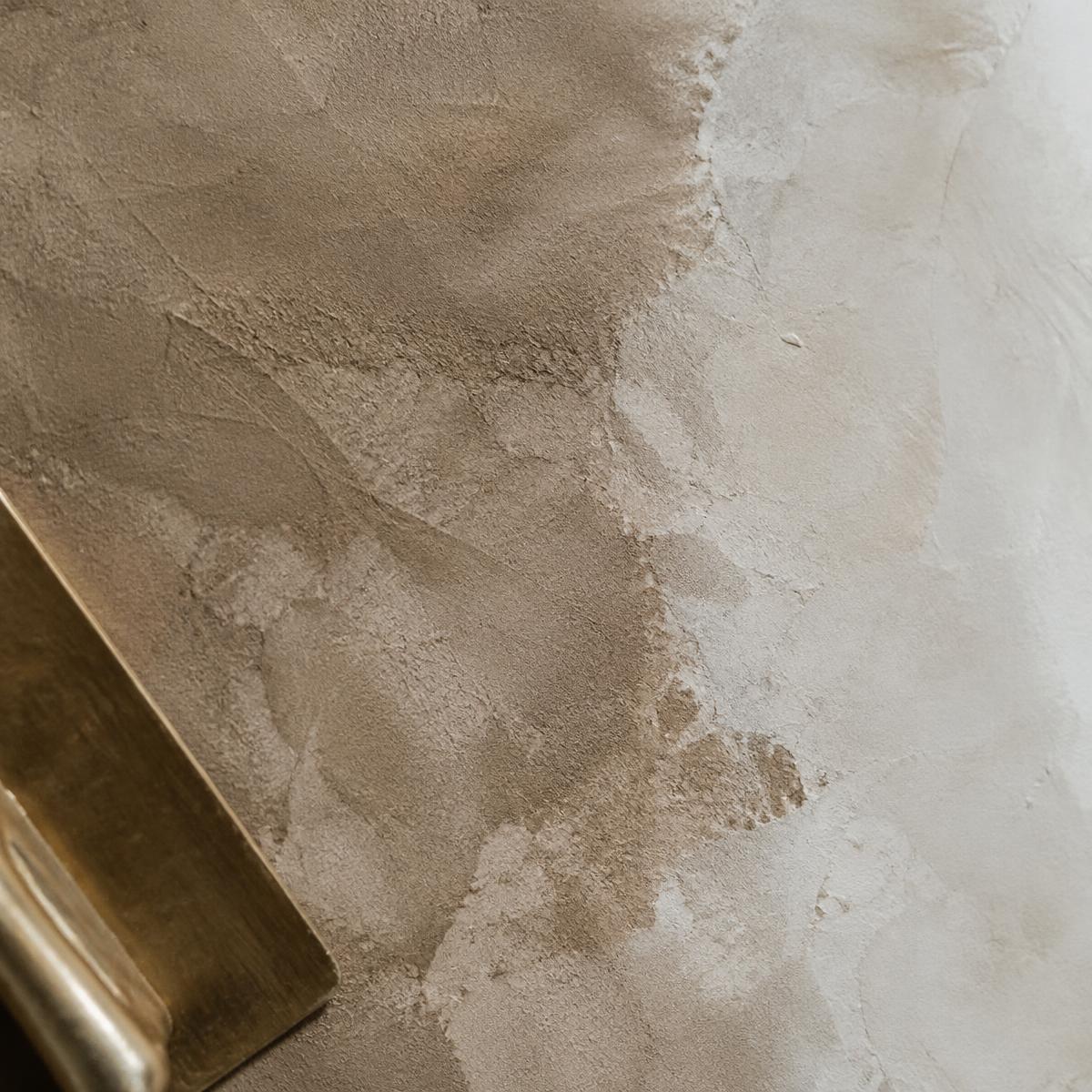
Microcement is a thin, polymer-modified cementitious coating applied in several layers to create continuous, joint-free surfaces. It can cover walls, floors, stairs, vanities and, with the right system, showers.
Correct substrate preparation, reinforcement mesh where specified and a compatible sealing system are critical to performance.
Typical applications
- —Seamless bathroom walls and showers
- —Floors and stairs
- —Kitchen backsplashes and islands
- —Fireplace surrounds
- —Commercial counters and displays
Materials & techniques
- —Base and finish microcement coats
- —Primers specific to substrate
- —Fiberglass reinforcement mesh
- —Waterproofing membranes for wet areas
- —Polyurethane or water-based sealers
Project process
- 1Consultation and site visit to understand scope, conditions and goals.
- 2Measurements, documentation of existing conditions and scope definition.
- 3Written estimate with line-item scope, exclusions and assumptions.
- 4Scheduling, material selection and procurement.
- 5Execution with protected work areas and regular progress updates.
- 6Final walkthrough, punch list and close-out.
Factors affecting cost
- —Area and number of surfaces
- —Substrate condition (tile overlay, drywall, concrete)
- —Wet-area waterproofing
- —Number of coats and sealer system
- —Edges, corners and detailing
Frequently asked questions
Can microcement go over existing tile?+
Often yes, if the tile is sound and properly prepared. Grout lines are filled and a bonding primer and mesh may be used.
Is microcement waterproof?+
Microcement itself is not a waterproofing membrane. In showers, it must be paired with a waterproofing system and appropriate sealers.